Notes from a Meditation Retreat at Zongtong Temple
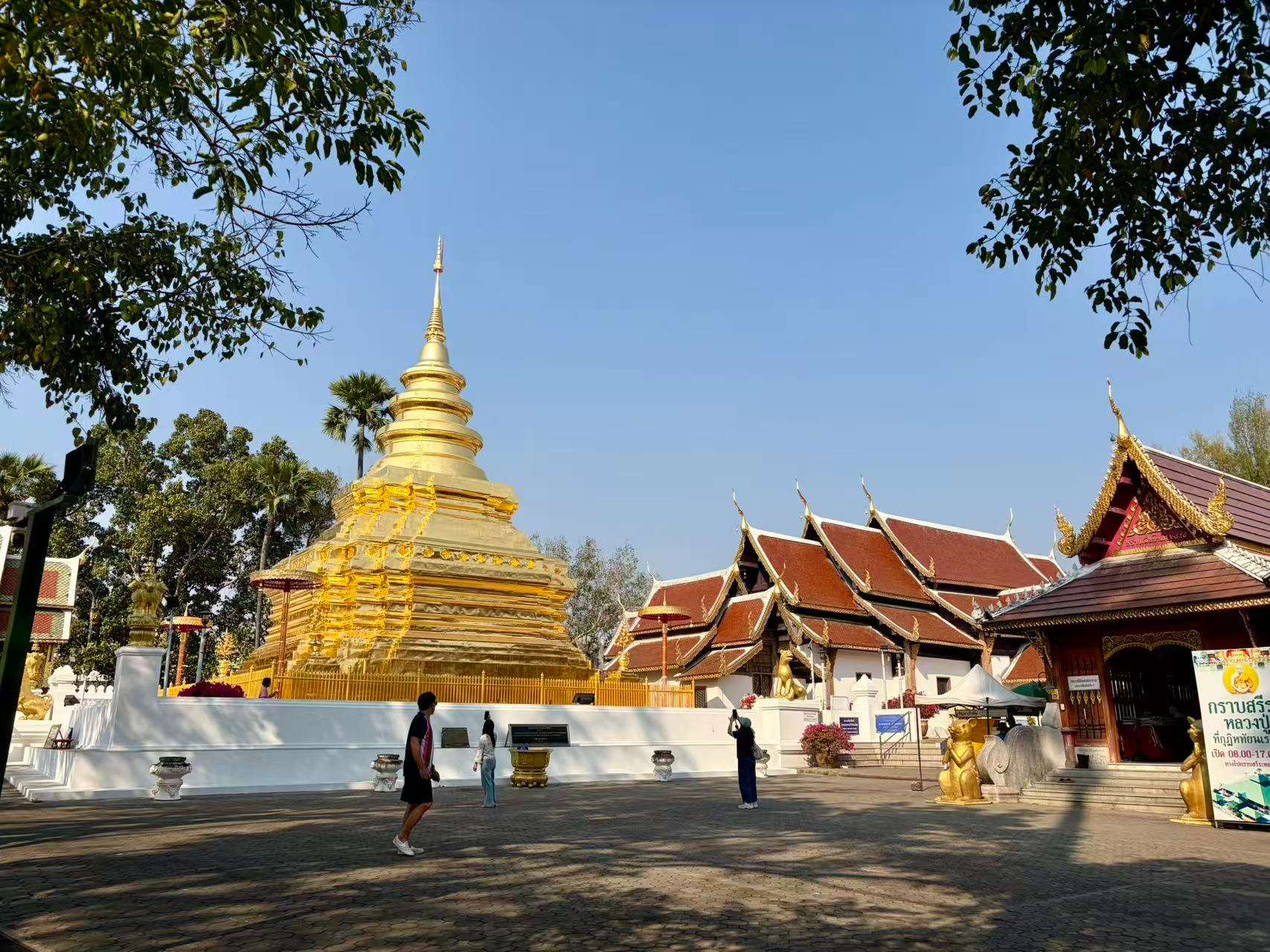
During the 2026 Lunar New Year, I joined a meditation retreat at Zongtong Temple in northern Thailand. These notes record Venerable Ani, a pigeon caught in a typhoon, the temple's dog sanctuary, and what those days taught me about impermanence, suffering, and non-self.
During the 2026 Lunar New Year, I spent a few days on a meditation retreat at Zongtong Temple in northern Thailand. The course follows the insight meditation system of Mahasi Sayadaw, with practice centered on the four foundations of mindfulness.
I had simply wanted a few quiet days of practice. Instead, I encountered a typhoon, an injured pigeon, and a ceremony venerating the Buddha's relics. I also met Venerable Ani and learned about the more than one hundred dogs in her care. These notes record what happened and my understanding, at the time, of impermanence, suffering, and non-self.
Contents
Venerable Ani
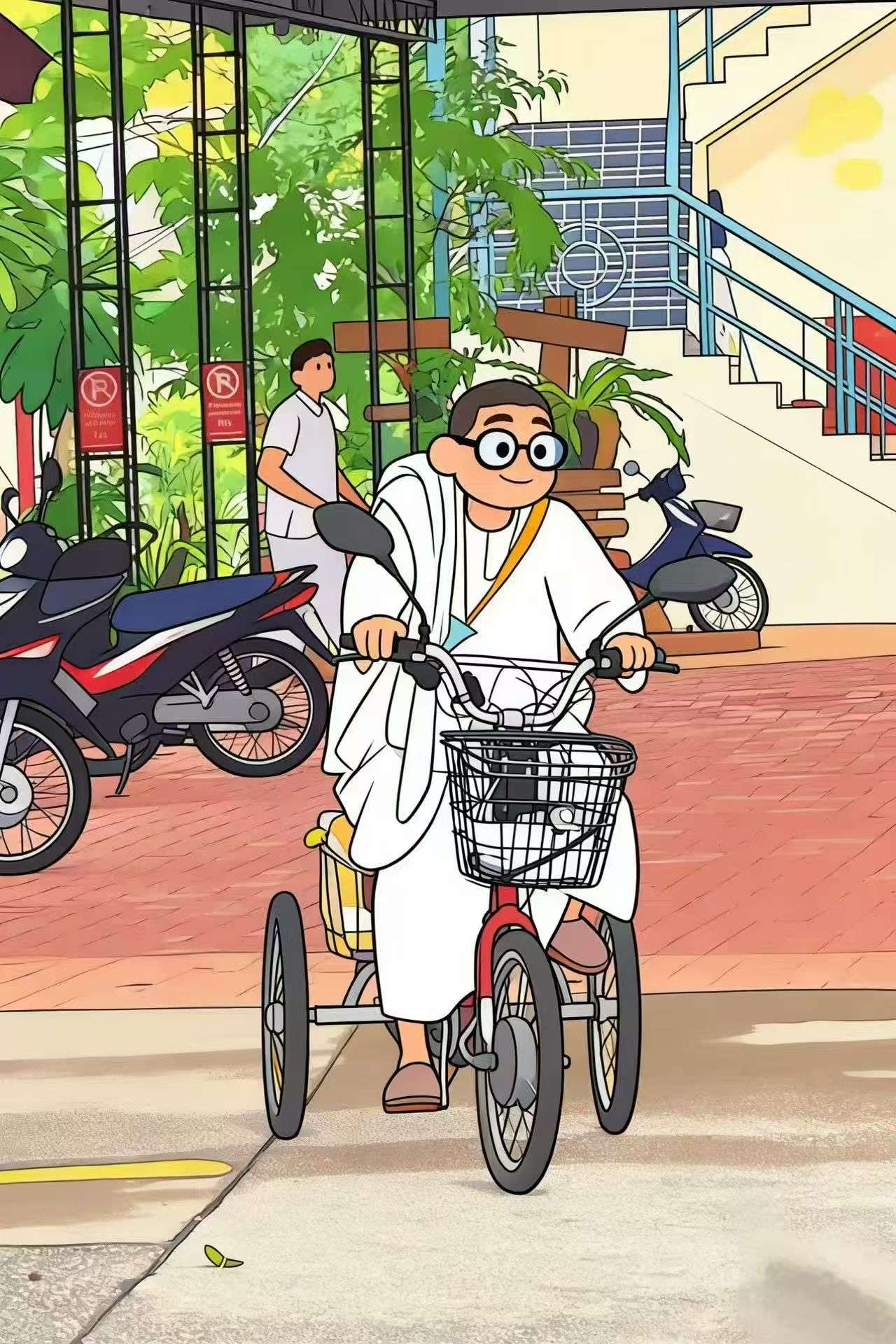
I enrolled in Venerable Ani's meditation class. Born in Taipei, she later became a Buddhist nun at Zongtong Temple. She speaks Chinese, and I first learned about her through accounts shared online by fellow practitioners. Several described her as strict: if you truly wanted to practice seriously, they recommended studying with her. My experience over those few days confirmed that impression. She told us, "I know each of you only has a little time here. If I am not strict with you, I cannot help you develop your mindfulness." I am deeply grateful to her for that.
Venerable Ani is strict when teaching, but outside class she has a wonderfully endearing side. We talked about AI together. She shared how she uses Claude and ChatGPT to prepare lessons, laughed about the silly things ChatGPT sometimes does, and told us little stories from the Buddhist canon.
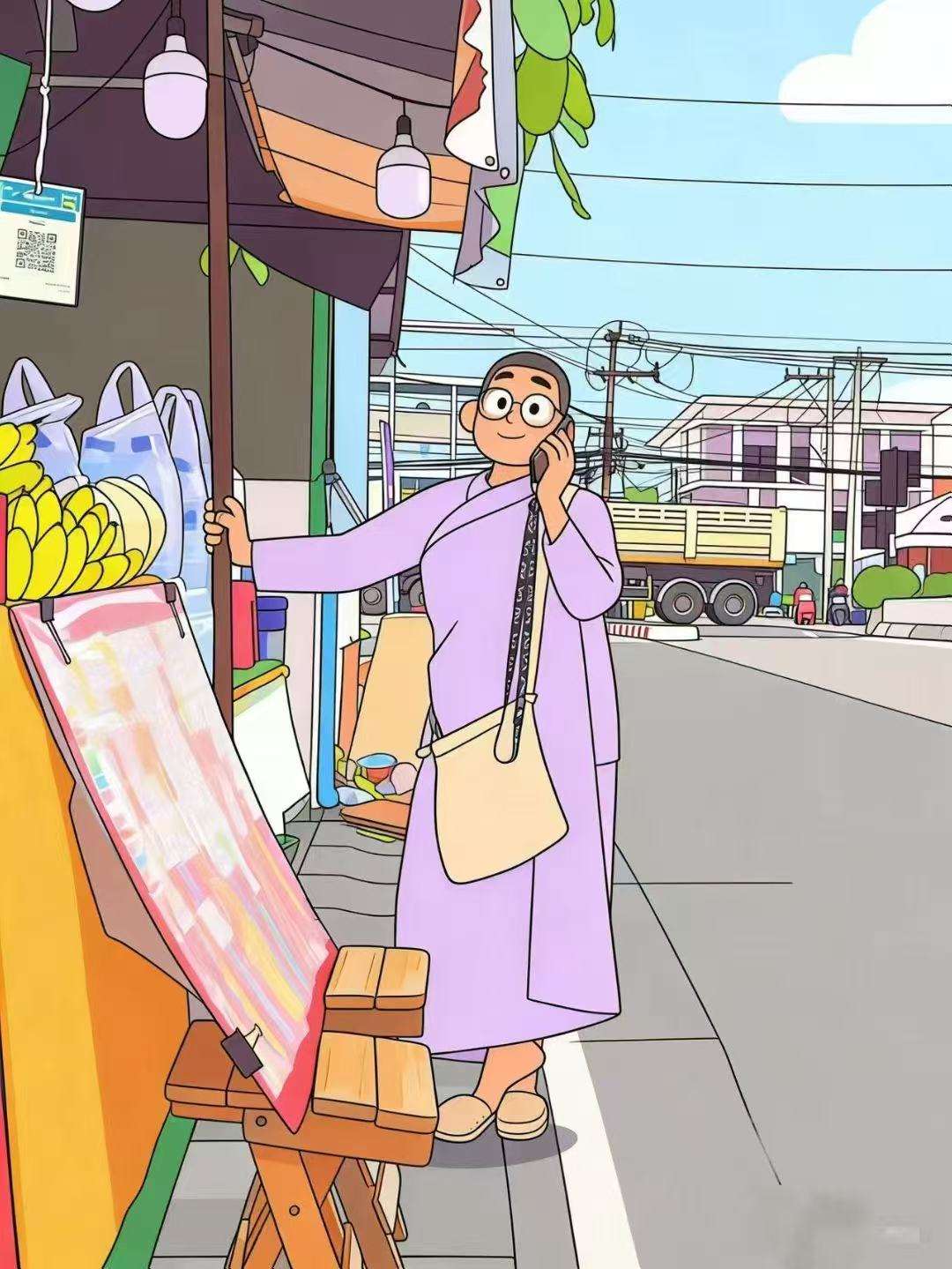
Venerable Ani is the most compassionate person I have ever met. Before arriving, I had read that she ran a dog sanctuary, which made me curious. When I asked her about it in conversation, she explained that the temple had once had too many stray dogs. Some would frequently chew visitors' shoes, and the temple did not know how to manage the situation. If the dogs were driven into the nearby mountains, there was no way to know how many would survive. To give them better care, she put an enormous amount of effort into building the sanctuary.
More than one hundred dogs now live there. In the early days, she wanted to understand their habits and how they lived. With nowhere to stay, she turned a large basin upside down and slept on top of it so she could observe them. She also paid for veterinary checkups and dog food herself to keep them healthy. Whenever someone makes a donation, you can feel her heartfelt joy at the thought of being able to buy more food for the dogs. I believe anyone who spends time with her will feel that compassion.
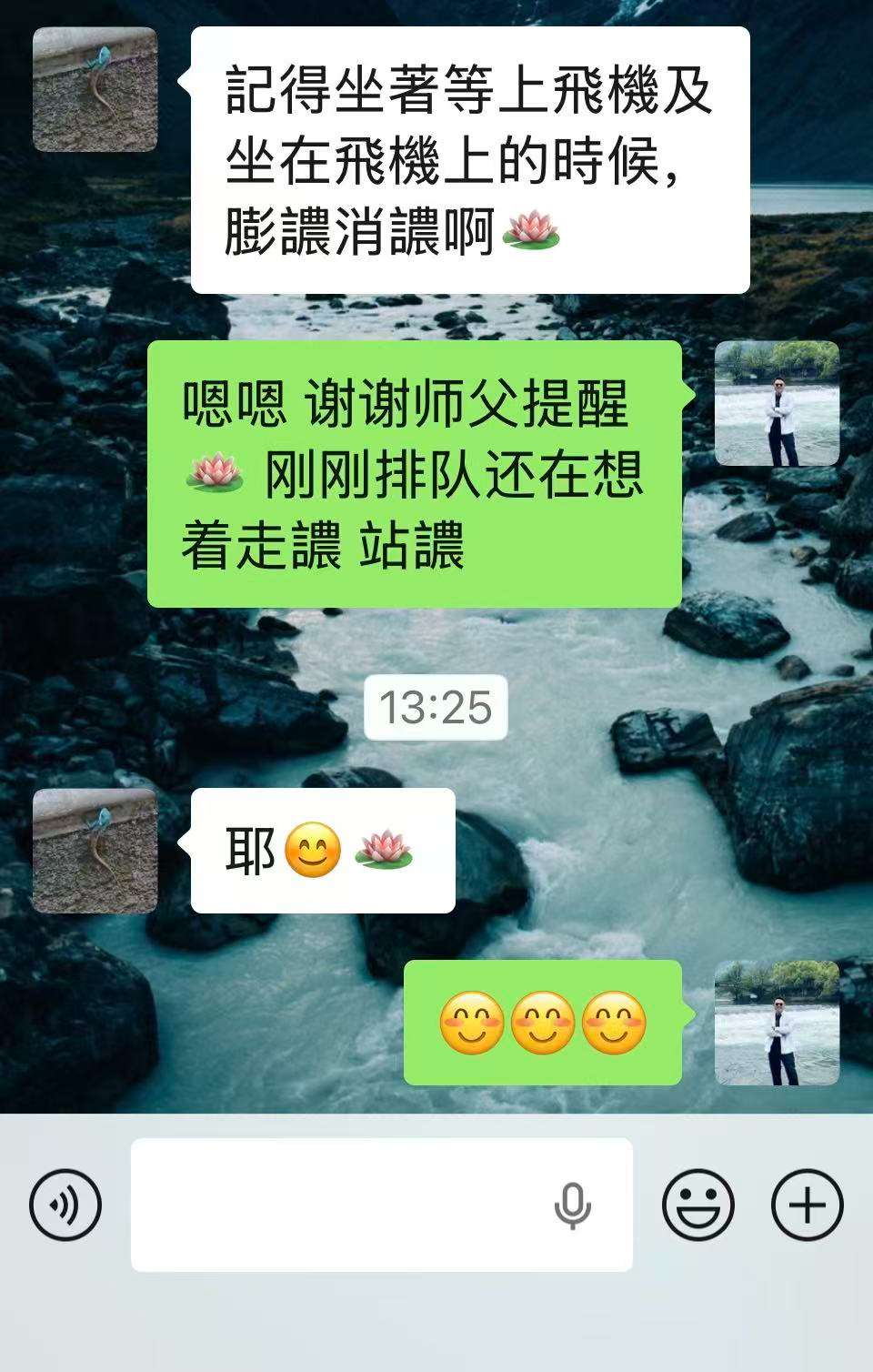
On our last day, she came to see us off herself. She repeatedly told the driver that he was not to charge us extra, and asked me to send her a photo of his license plate. Still concerned, she called again to reassure us: she had already spoken to him, so we did not need to worry. After we reached the airport, she sent another WeChat message reminding me to keep observing and silently noting my experience. Reading it, I felt a rush of joy and a lump in my throat. With a teacher who cares like that, how could I not take the practice seriously?
Understanding impermanence, suffering, and non-self through those days
On my first evening at Zongtong Temple, fierce winds suddenly rose. A typhoon brought torrential rain, and the storm did not begin to subside until after ten that night. On my way back, I found a pigeon soaked through and lying on the ground, barely alive. I quickly carried it back with me and used tissues to dry its feathers. By the next morning it had dried completely, so I placed it outside the door, where it walked away on its own.
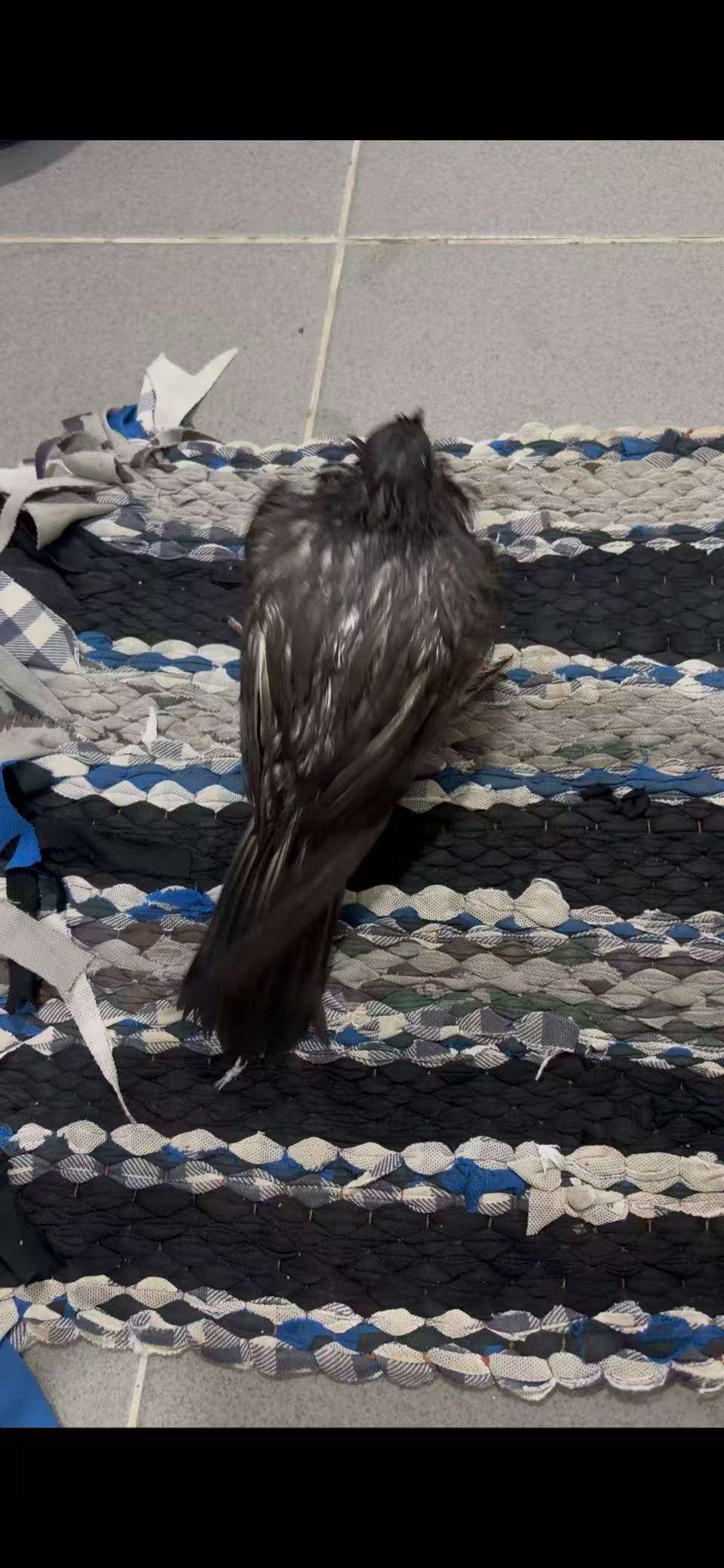
When I asked Venerable Ani how to comfort the pigeon, I learned that the typhoon had brought down several large trees in her dog sanctuary and caused a major power outage. Trees had fallen elsewhere in the temple too. Our classes had to be postponed, and Monica's plan to bring Xiaoxiao to the retreat was disrupted as well. Impermanence was right there in front of us.
Later in class, Venerable Ani taught us that vipassana means seeing clearly. What we observe is the body and mind, experiencing impermanence (constant change, nothing permanent), suffering (what is difficult to bear and does not go as we wish), and non-self (what cannot be controlled and does not belong to "me"). She taught us to observe and silently note body, feelings, mind, and mental phenomena: when a thought arises; when there is liking, disliking, drowsiness, distraction, or doubt; when walking or sitting; when happy or unhappy. Whatever arises, observe it and note it, knowing what you are doing. She also explained that faith, effort, mindfulness, concentration, and wisdom would gradually become evident and grow stronger through practice.
A fellow practitioner, Lei, said that sitting meditation made her feel like the monk Tang Sanzang in the meditation contest in the Kingdom of Chechi in Journey to the West. There was always an itch or an ache somewhere. The comparison was almost too accurate. 🤣
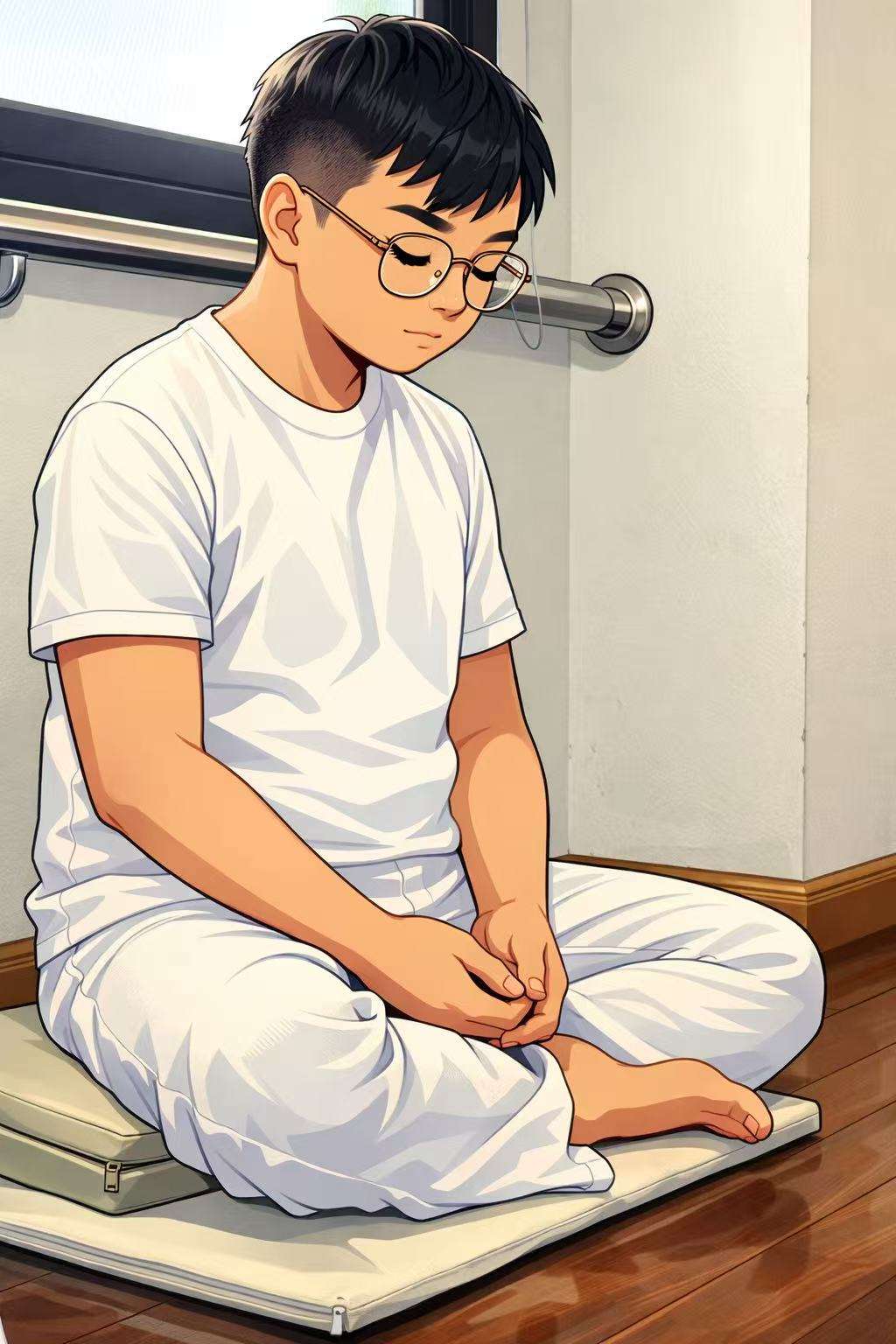
I suspect anyone who has meditated will recognize the feeling. Your mind seems to be part of you, but once you begin observing it, you discover that thoughts arise almost constantly. It runs this way, then that way, and you cannot control it. You tell it to stop wandering, and, sorry, a moment later it has drifted off again. Our teacher said: this is the mind; this is what it does. The world is impermanent, subject to suffering, and without a self we can control. Through observing and silently noting, mindfulness can arise. We can see body, feelings, mind, and mental phenomena more keenly, and the act of observing and noting brings us back to the present.
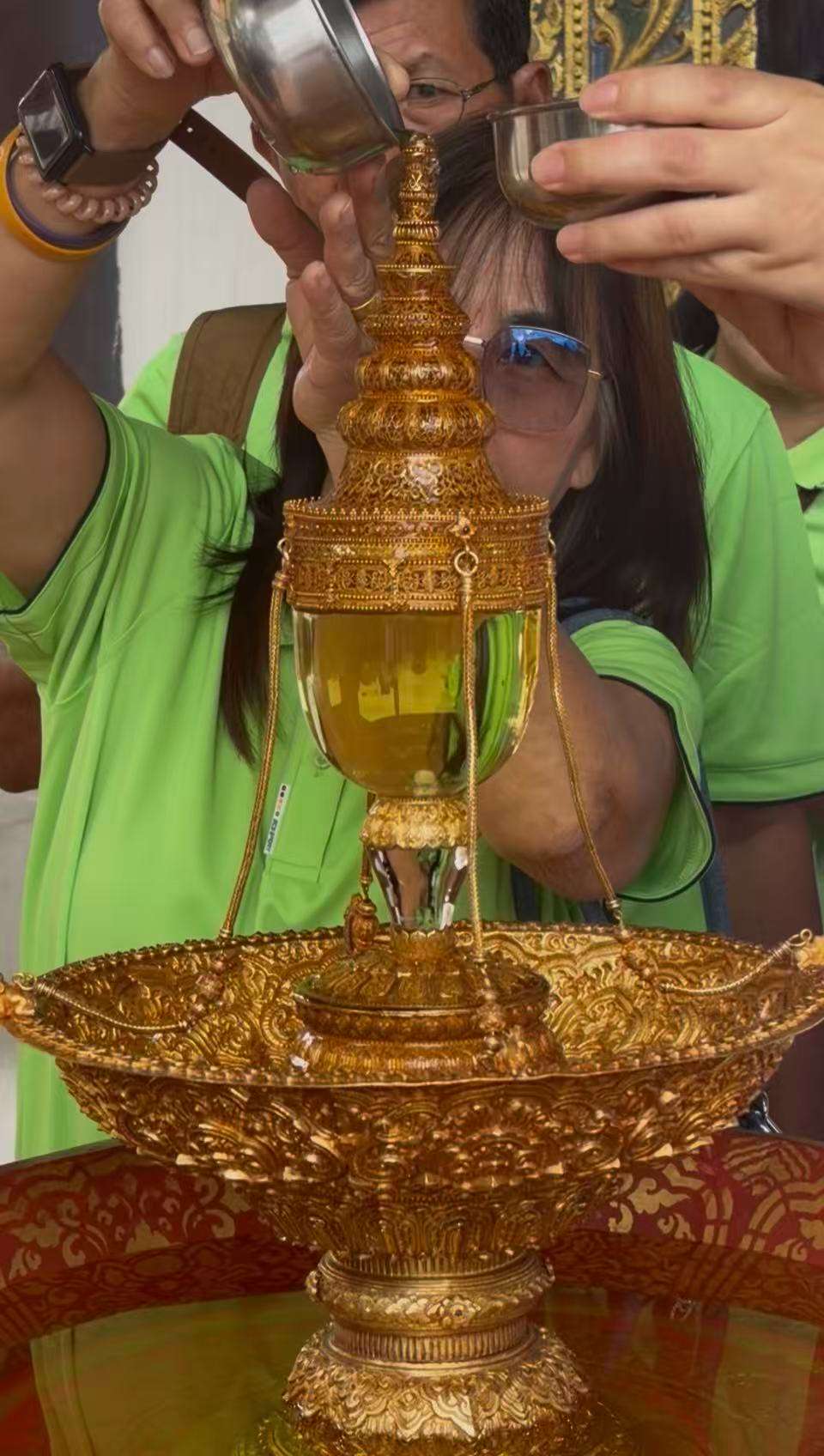
One day during the retreat, Venerable Ani called and told us to gather quickly at the great golden stupa. We had happened to arrive in time for one of the year's rare ceremonies venerating the Buddha's relics. We could see the relics up close and take part in the ceremony ourselves. To see the Buddha's relics is to see the Buddha himself; I felt extraordinarily fortunate.
In just a few days, I could feel how the world keeps changing. Some changes bring happiness and others bring sadness, but neither is under our control. This is an impermanent world. The moment we try to control it—to make happiness last longer and keep sadness away—we create suffering.
Closing thoughts
I imagine many of you have also read THE 2028 GLOBAL INTELLIGENCE CRISIS [1] over the past few days. AI is changing so quickly that even those of us working in the field struggle to predict what the world will look like by the end of 2026. What will the agent ecosystem look like? What would a world with agents as economic actors become? We seem to catch a hazy glimpse of it, yet we also do not know. None of it is within our control. What we can do is return to our own inner lives. Return to your own creative spirit: what you love and what you want to express should be present in your work. That is your moat. Or, to take a more pessimistic view, even if it never becomes a moat, you will still have done what you sincerely love. If your heart is clear and at peace, what more is there to say?
Before leaving, I asked Venerable Ani about friends who wanted to practice but could not come to Zongtong Temple anytime soon. She kindly said that if enough people truly wanted to learn, she could consider teaching an online session. We could gather everyone together, each with a computer, so that she could see each person's movements. I hope to help make that happen this year and give more friends a chance to settle their minds. (If you are interested, email me to talk.)
If Venerable Ani's care for stray dogs has moved you too and you would like to discuss ways to support the sanctuary, you are also welcome to email me. If someone you know is interested in meditation or Zongtong Temple, please feel free to share these notes with them.